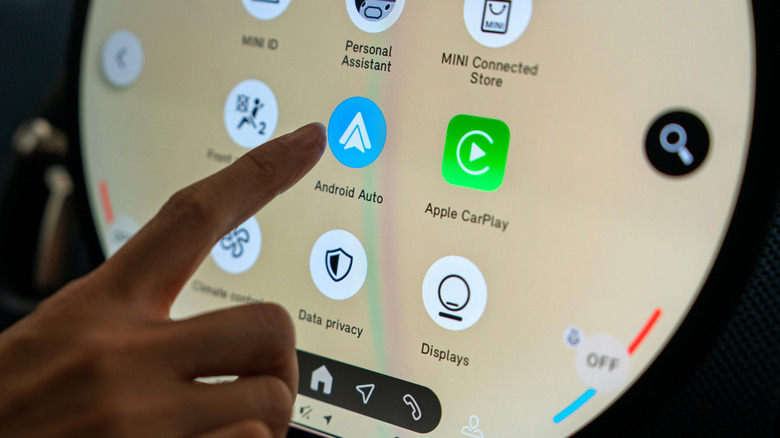
Google's Android Auto is gearing up for a significant transformation in 2026, promising a vastly improved in-vehicle dash experience. Following the recent unveiling of a Material 3 Expressive makeover, which brings unique design elements previously exclusive to Android phones, the biggest change lies in the ability to customize your dashboard's layout and aesthetics. This ambitious update aims to unify and elevate the user experience across all platforms, offering more "premium" opportunities for drivers.
TY Lim/Shutterstock
Many of these upcoming features will fundamentally change how you interact with your car's dashboard. While previous updates already introduced clever ways to integrate Gemini, the new Android Auto 17.0, currently rolling out to beta testers, will introduce a suite of new functions under the banner of "Gemini Intelligence." This advanced assistant platform is designed to handle various minor tasks, allowing you to keep your focus safely on the road. While the initial 17.0 rollout might not feel like a massive overhaul, Google has confirmed that the most anticipated features will arrive later this year.
The Future is Here: Android Auto's Transformative Updates
1. Personalized Dashboards with Widgets
Just like on Android smartphones, where you can tailor your home screen with a variety of app-specific widgets, this beloved customization is finally making its way to Android Auto. Google plans to make existing Android phone widgets compatible, meaning they should integrate seamlessly alongside core UI elements on your car's display. This compatibility could also streamline development, potentially leading to broader support without requiring developers to create entirely separate widget models for cars.
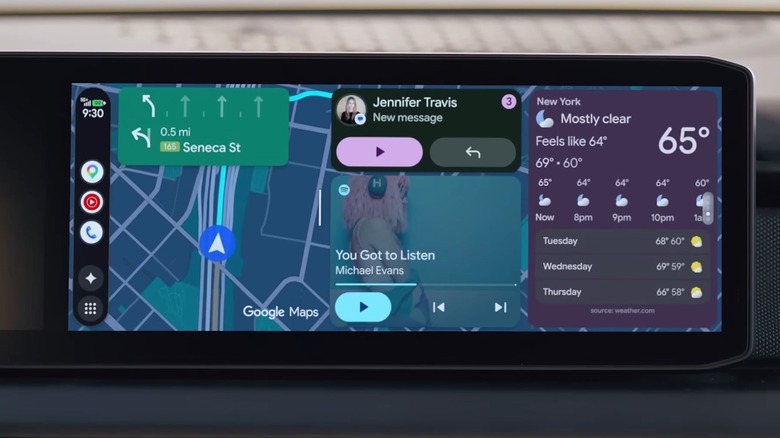
Image: Google
With a simple swipe, you'll access a list of available widgets, including popular choices like weather forecasts, calendar alerts, and smart home controls. Once selected, these widgets will provide glanceable information directly on your main dashboard. Google even showcased the ability to display photos of your loved ones or pets via a gallery widget during its I/O announcement, highlighting the personal touch these new features bring to your driving experience.
2. Entertainment On-Demand: YouTube in Full HD (While Parked)
Imagine unwinding in your vehicle, enjoying movies or shows. With the upcoming update, video apps like YouTube will play in full HD at 60 frames per second on your Android Auto screen — but only while parked. The moment you start driving, the video feed will automatically disappear, transitioning to audio-only playback, much like an audiobook or podcast. This ensures zero distractions and prioritizes road safety.
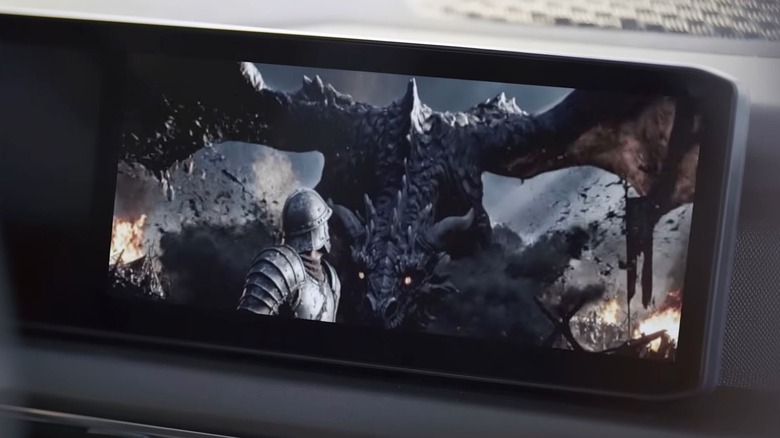
Image: Google
It's important to note that video resolution will depend on your vehicle's display capabilities, so full HD might not be universally available. Google has confirmed support for full functionality in several brands, including BMW, Ford, Hyundai, Kia, Genesis, Mercedes-Benz, and Volvo. For future apps, they will also need to support background audio, and in some cases, a premium subscription (like YouTube Premium) may be required for continuous audio streaming in the background.
3. Navigating with Precision: Google Maps Gets a Major Overhaul
Google Maps is set to become even more immersive and informative. As demonstrated at Google I/O, future updates will introduce highly realistic 3D buildings and skyscrapers, precise locations of streetlights and traffic signs, and clear indications of street names and road changes, such as upcoming ramps. This wealth of visual detail aims to provide more accurate and helpful guidance, particularly when navigating unfamiliar territories.
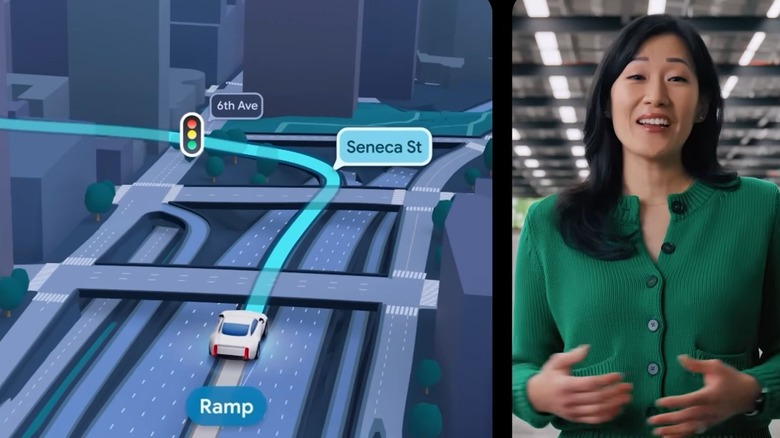
Image: Google
Beyond visuals, Maps will also offer direct lane guidance, proactively advising you when to merge or prepare for a turn, moving beyond generic instructions. Powering this enhanced navigation is Gemini, integrated with cars that have Google built-in. Gemini Intelligence can leverage your car's front sensors and other data to analyze lanes and driving conditions, presenting this critical information directly on your dashboard. The result is a more visually engaging and contextually aware navigation interface, designed to reduce stress on any road trip.
4. Seamless Control with Gemini Intelligence
Regardless of your stance on AI, its ability to enhance hands-free experiences, especially with voice assistants, is undeniable. Google is bringing this power to Android Auto vehicles through Gemini Intelligence, extending its capabilities far beyond basic instructions or vehicle tasks. For instance, Google illustrated how Gemini can look up an address from your emails or calendar, then automatically send it to a contact via text message with a single tap, allowing the driver to maintain focus on the road.
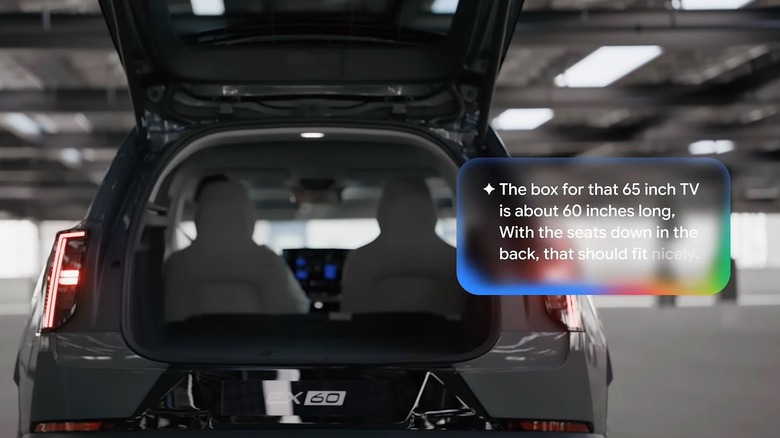
Image: Google
Other practical examples include ordering your usual meal from DoorDash with a doubled quantity, or quickly checking if a new TV will fit in your car's trunk by comparing box specifications to your vehicle's dimensions. It can even instantly explain the meaning of a mysterious warning light on your dashboard. Gemini is set to become an invaluable co-pilot, helping you better plan and react to various situations, both on and off the road.
Beyond the Big Four: Holistic Experience Enhancements
The integration of Material 3 Expressive visuals contributes significantly to the updated experience. Android Auto will be more adaptive than ever, seamlessly accommodating unusual screen resolutions, non-rectangular shapes, and making optimal use of round displays. Designed to feel "uniquely yours," this aligns perfectly with the personalized nature of the traditional Android smartphone experience. Many of these underlying improvements are set to eliminate common frustrations and streamline your interaction with the system.
Video: The Android Show: I/O Edition | Android in the Car
Audio experiences are also getting a boost, with spatial sound becoming available through Dolby Atmos in supported apps and cars, promising a more dynamic and immersive musical journey. Furthermore, popular apps like Spotify and YouTube Music are receiving visual tune-ups, enhancing their aesthetics within the new Android Auto interface.
Ultimately, while the headline features like YouTube playback and customizable widgets are exciting, the numerous "minor" upgrades happening beneath the surface are equally impactful. The entire Android Auto experience is evolving into a more responsive, personal, and intuitive system, marking a definitive net-positive change for drivers everywhere.