The Great Food Storage Debate: Fridge or Pantry?
When it comes to storing groceries, most of us fall into one of two camps: the meticulous chiller who tucks everything into the fridge, or the laid-back pantry enthusiast who prefers countertop convenience. While one approach might make a germophobe shudder, the truth is, the ideal storage method depends entirely on the food itself. And, as experts reveal, small misunderstandings can lead to big consequences, affecting both food safety and quality.
According to Darin Detwiler, a professor of food policy and corporate social responsibility at Northeastern University, refrigeration isn't just about keeping food fresh longer; it's a crucial strategy to control risks from microbes, chemical reactions, and nutrient loss. Mary Anne Amalaradjou, an associate professor of food microbiology at the University of Connecticut, highlights a key distinction: packaging instructions often blend advice for safety with advice for quality. Some foods absolutely need chilling to prevent spoilage, while for others, it merely extends freshness.
To help you navigate this culinary conundrum, we've consulted food scientists and safety experts to demystify where your favorite foods truly belong.
Surprising Foods You Should ALWAYS Refrigerate
Spices, Especially Ground Varieties
While often stored in cabinets near the stove for convenience, this is a common mistake. Detwiler explains, "Heat, light, and oxygen degrade volatile compounds. For long-term storage, refrigeration helps preserve potency." Moving your spice rack to the fridge can mean you replace expensive spices less often.
Whole-Grain Flour
For long-term storage, refrigeration is highly recommended. Francisco Diez-Gonzalez, director of the Center for Food Safety at the University of Georgia, notes, "Cold delays the oxidation of fats, which can cause 'off' flavors such as rancidity." Some companies even suggest freezing whole-wheat flour for extended storage. Amalaradjou adds, "This is more about quality than safety, but it makes a big difference for home bakers."
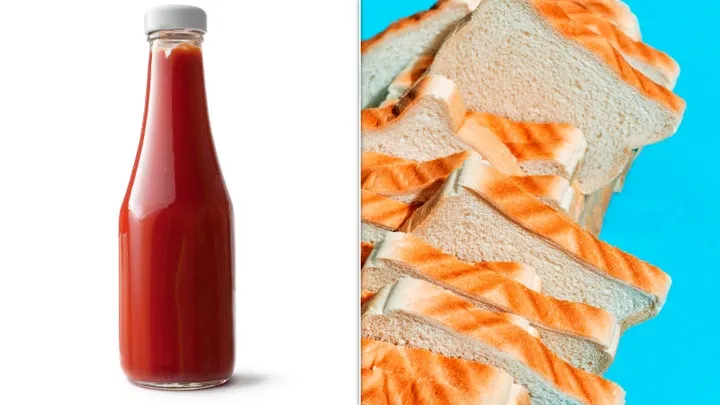
Nuts
Raw or unsalted nuts are best stored in the refrigerator, or even the freezer if you won't consume them quickly. "Their high fat content makes them prone to oxidation," Detwiler explains. "Heat and oxygen accelerate spoilage, even before you notice taste changes or that rancid quality."
Jarred Pesto
"This is a big one," Amalaradjou warns. "It's moist, low-acid, and can spoil quickly." The USDA FoodKeeper app advises refrigerating opened pesto and using it within three days.
Prepared Horseradish
Many incorrectly leave this in the pantry. "Once opened, it can lose its stability and spoil," Amalaradjou states.
Tortillas
Always check the package! Many tortilla manufacturers recommend refrigeration after opening. Keith Warriner, a professor of food science at the University of Guelph, notes, "That suggestion is for the prevention of mold." While condensation can occur and lead to mold, Donald W. Schaffner, food science department chair at Rutgers University, clarifies that refrigeration is generally for "quality extension, not for safety."
Hot Sauce: A Case-by-Case Basis
Whether your hot sauce needs to be chilled depends on its acidity. Vanessa Coffman, alliance director at Stop Foodborne Illness, explains, "Harmful microbes struggle to grow in highly acidic environments." So, some hot sauces are safe at room temperature after opening, while others with lower acidity require refrigeration. Schaffner confirms, "Generally speaking, these products have a very low pH, so refrigeration is not needed for safety. But other types of hot sauce go right in the fridge." When in doubt, always consult the label.
Foods That Are Better Off in Your Pantry (Free Up That Fridge Space!)
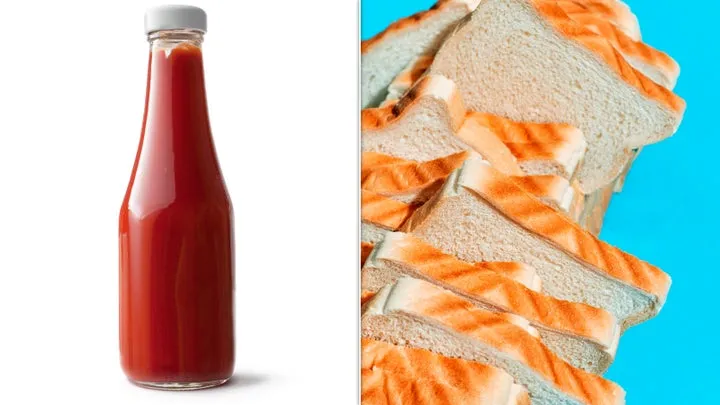
Ketchup
Believe it or not, your ketchup might be happier out of the fridge. "It's high in acid, so microbes die off quicker at room temperature compared to in the refrigerator," Warriner explains. Plus, room-temperature ketchup has a lower viscosity, making it easier to pour. The USDA agrees, stating that "shelf-stable commercial ketchup... is safe when stored at room temperature after opening." The label's refrigeration suggestion is for quality, not safety.
Soy Sauce
Despite being a liquid, soy sauce has low water activity due to its high salt content, making refrigeration unnecessary for safety. Schaffner notes, "There’s no harm in refrigerating it if you really want to, and if you don’t use it very often, the colder temperature may extend the quality of its shelf life."
NEVER Refrigerate These Foods
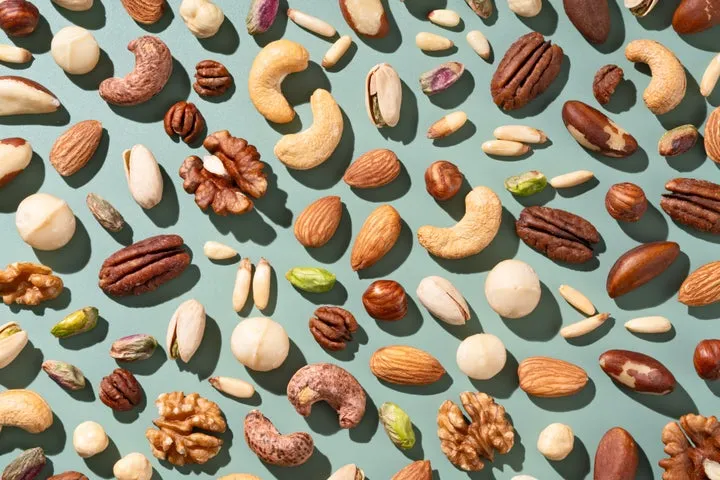
Honey
"It should never be refrigerated," says Diez-Gonzalez. "Otherwise, it may solidify by crystallizing its sugars." While safe to eat, you'll need to warm it to reliquefy.
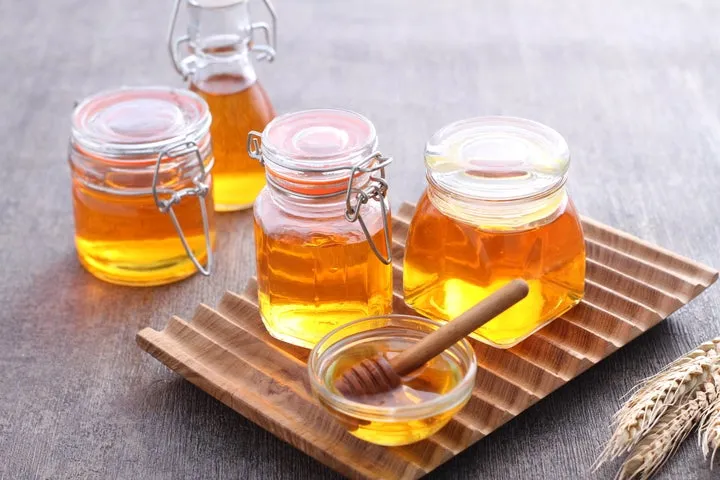
Bread
For optimal taste and freshness, bread should never be refrigerated. "This has to do with the chemistry of starch retrogradation, which can cause breads that are refrigerated to stale faster," Schaffner explains. For longer storage, slice and freeze fresh bread.
Coffee (Whole Beans or Ground)
Keep coffee out of the fridge. Detwiler clarifies, "Coffee absorbs moisture and odors. Refrigeration introduces condensation, which degrades flavor and aroma." Warriner adds that moisture can lead to "clumping and loss of volatile flavors."
Chocolate
While a chilled candy bar is a treat, baking chocolate should stay at room temperature. "Condensation in the refrigerator can cause chocolate to get white patches called 'blooming,'" Warriner explains. This is harmless but affects the chocolate's glossy appearance and can give it a powdery texture.
Remember: Microbes Are Key!
It's crucial to understand that opening a product fundamentally changes its storage needs. "Once opened, foods are exposed to air, moisture, and germs from handling," Detwiler warns. "Items like sauces, dressings, and shredded cheese often shift from shelf-stable to perishable."
Warriner emphasizes that many products, like mayonnaise or pasta sauce, are heat-treated before packing to kill microbes. However, "once opened, the microbes can come back, leading to spoilage."
Finally, never rely solely on smell to determine food safety. "Many of the pathogens that cause foodborne illness, like listeria, salmonella, and certain strains of E. coli, don’t produce noticeable odors, discoloration, or texture changes," Detwiler says. Food can look and smell fine while still posing a serious risk.
To stay safe, follow these guidelines: ensure food hasn't been at room temperature for more than two hours, keep track of purchase and opening dates, and adhere to the "when in doubt, throw it out" rule. Remember, expiration dates are often indicators of quality rather than strict safety cut-offs.