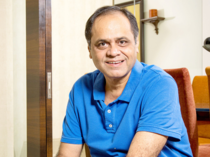
In a landscape often swayed by daily fluctuations and global headwinds, two of India's most respected investment veterans, Ramesh Damani and Sunil Singhania, offer a refreshing perspective. Speaking at the Groww India Investor Festival 2026 in Mumbai, they provided a strong counter-narrative to the prevailing market anxieties, asserting that India's long-term structural growth remains fundamentally intact.
Navigating Market Volatility: The Long-Term India Story
While the Indian markets have recently faced headwinds from significant foreign outflows, geopolitical tensions, and concerns about lagging in emerging technologies like AI and semiconductors, Damani and Singhania remain staunchly optimistic. Their core message to retail investors: ignore the short-term market noise and maintain a disciplined, long-term approach to wealth creation.
Understanding Short-Term Noise vs. Long-Term Vision
"We have become used to markets delivering 15-20 percent returns every year after COVID. Markets do not move in a straight line," Damani cautioned. He highlighted that market cycles often include extended periods of sideways movement, during which fundamentally strong companies continue to build substantial shareholder value, even if benchmark indices appear stagnant.
Reflecting on his own journey, Damani noted, "When I started my investing journey, the Sensex was below 1,000. Today it is above 80,000. There is no reason to believe India’s next 10-20 years will not continue to create massive wealth." This historical context underscores the power of patience and long-term vision in the Indian market.
FII Outflows: A Deeper Look
Addressing the persistent foreign institutional investor (FII) outflows, which saw FIIs offload Rs 2.06 lakh crore in Indian equities in 2026 (surpassing 2025 figures), Damani dismissed fears of a domestic investor slowdown. "Whenever foreigners sell, someone is buying those stocks. Domestic investors understand Indian businesses best, and they are backing Indian companies with conviction," he stated.
Despite Nifty being down over 7% year-to-date, underperforming several Asian peers and Wall Street rivals, this perspective suggests that domestic buying is absorbing the selling pressure, indicating strong internal confidence in India's economic trajectory.
The Power of Compounding and Domestic Conviction
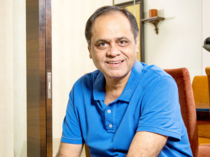
Sunil Singhania, Founder of Abakkus Asset Manager, echoed Damani's sentiments, emphasizing India's fundamentally strong economic model, primarily driven by its robust consumption engine. While acknowledging that India may not yet be a global leader in semiconductors or deep technology, Singhania highlighted the enduring strength of its domestic market.
"There is no doubt that several global companies have done phenomenally well in AI and semiconductors. But consumption and people ultimately sustain economies, and India remains one of the strongest long-term consumption stories globally," Singhania affirmed.
Both experts repeatedly stressed the critical role of patience and compounding in wealth creation. "There is no secret to wealth creation. The real secret is compounding," Damani advised, urging investors to focus on quality businesses and allow their investments sufficient time to mature.

Key Sectoral Opportunities for Future Growth
Looking ahead, Damani identified several sectors poised for significant long-term growth. He expressed bullishness on defence, infrastructure, logistics, and energy-linked businesses, citing their potential to benefit from a shifting global order.
"The world has changed. Every country now wants stronger self-defence and supply-chain independence," he explained, suggesting that investors should reposition their portfolios to align with these evolving geopolitical and economic realities.
Strategic Asset Allocation: Beyond Gold and Silver
The discussion also touched upon asset allocation, with both investors cautioning against the recent surge in retail interest in gold and silver following their sharp rallies. Singhania notably referred to precious metals as "non-productive assets," underscoring the importance of equities as "growing assets." He recommended only a limited, strategic allocation to gold and silver, reinforcing the preference for equity investments for long-term wealth appreciation.
In conclusion, the message from D-Street's seasoned bulls is clear: while short-term market movements can be unsettling, India's intrinsic growth drivers, supported by robust domestic conviction and strategic sectoral opportunities, paint a compelling picture for long-term investors. Patience, disciplined investing, and a focus on compounding remain the bedrock of successful wealth creation in the Indian market.