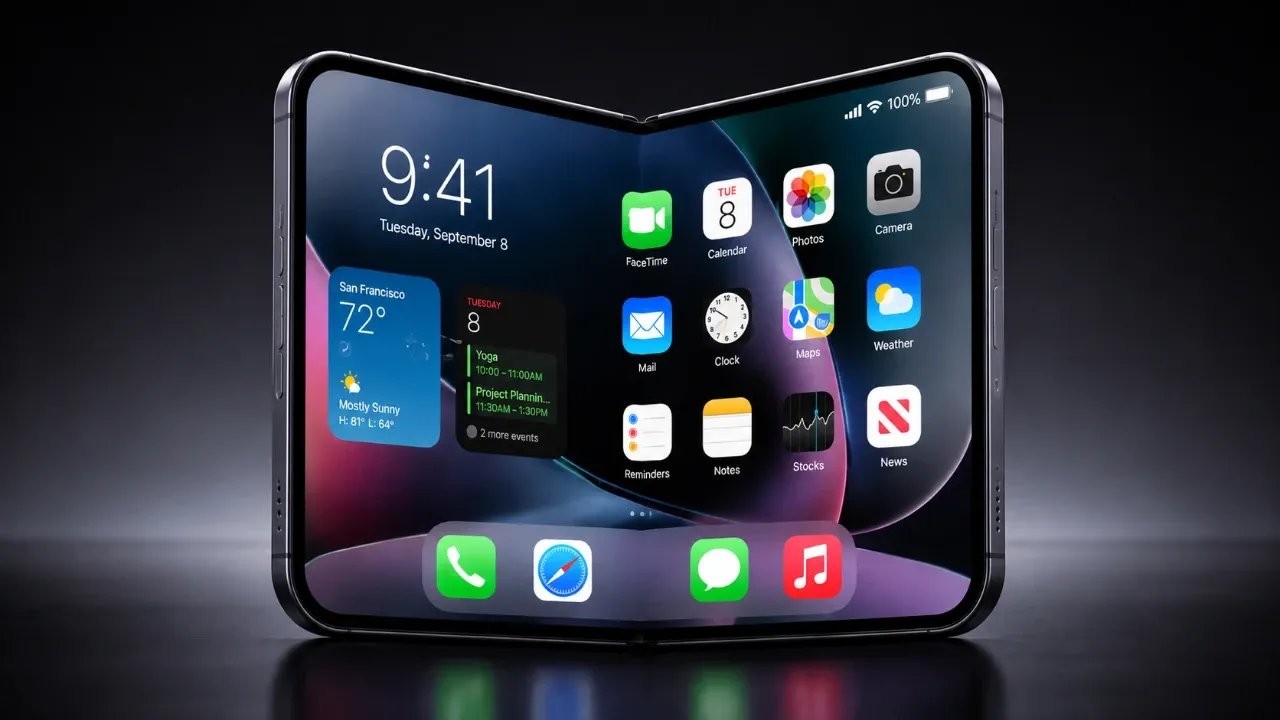
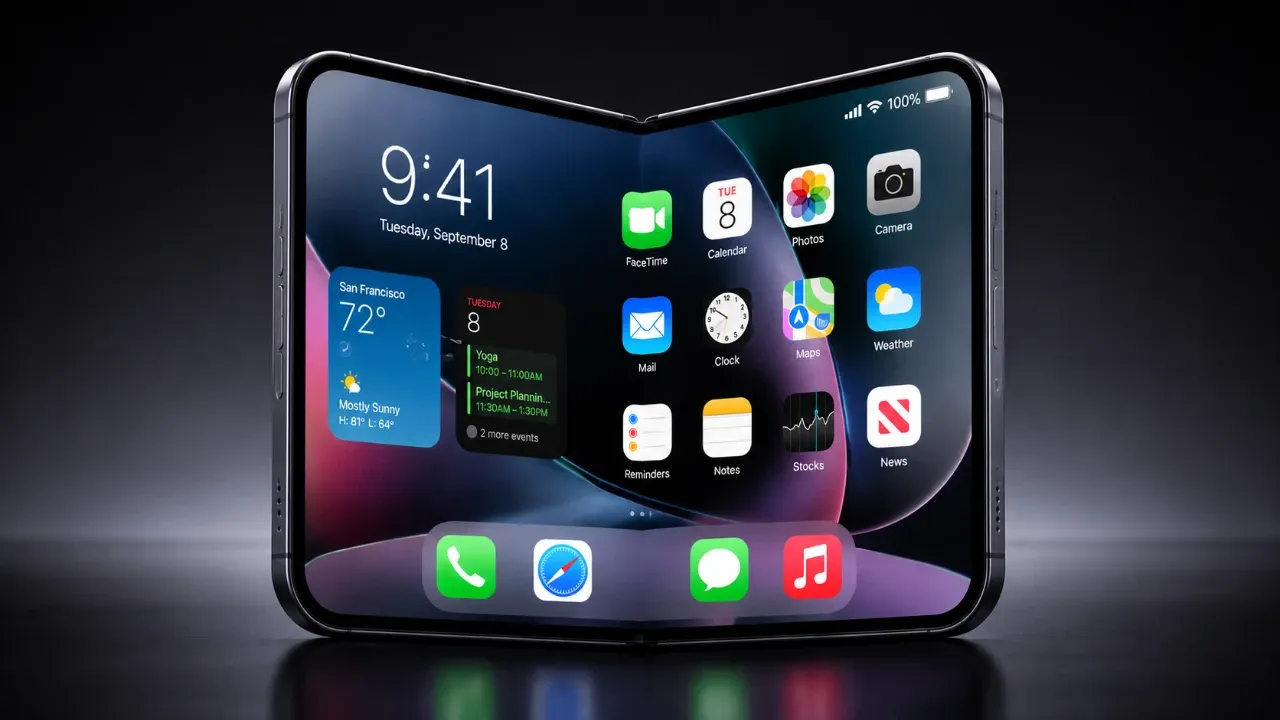
Apple is widely anticipated to make its grand entrance into the foldable smartphone arena with the rumored iPhone Ultra (Fold). This device aims to blend Apple's signature striking design with its renowned seamless ecosystem integration, featuring a wide internal display designed to revolutionize multitasking and content consumption. However, early leaks and analyses suggest it might come with significant trade-offs in usability, hardware features, and a premium price point.
A recent video from ZONEofTech offers a compelling look at the potential iPhone Ultra's design, speculative performance, and its likely market positioning. Based on various leaks and rumors, the video showcases a conceptual model, giving us a glimpse into what Apple’s first foldable device might bring to the table.
Watch the full video from ZONEofTech for a detailed look at the iPhone Ultra concept.
Design: Innovation Meets Compromise
The rumored design of the iPhone Ultra reflects Apple’s attempt to balance innovation with practical compromises. When folded, the device is expected to measure 11mm in thickness, making it noticeably bulkier than leading competitors such as the Samsung Galaxy Z Fold 7 and Oppo Find N6. While unfolding the device slims it down to an impressive 5.5mm, the hinge mechanism is reported to protrude more than those of its rivals, adding to its overall heft and potentially impacting portability.
The external screen is described as short and wide, which could lead to an awkward experience for one-handed use, particularly for common tasks like texting or quick browsing. Conversely, the internal display is poised to excel in vertical orientation, offering generous space for typing, reading, and efficient multitasking. This design philosophy appears to prioritize expansive screen real estate and functionality over a sleek, ultra-portable foldable experience. For users who value a larger display for productivity, the iPhone Ultra could be a compelling choice, despite its bulk.
Hardware: Unexpected Choices and Missing Features
Apple's rumored hardware decisions for the iPhone Ultra are certainly unconventional and might surprise long-standing iPhone users. A significant departure from flagship designs is the replacement of Face ID with a Touch ID sensor integrated into the power button. While this change may appeal to those who prefer physical fingerprint authentication, it could disappoint users accustomed to the convenience and security of Face ID.
The device is expected to feature a dual-camera system, comprising a main and an ultra-wide lens. However, it notably omits a telephoto option, a staple feature in many high-end foldable and flagship smartphones. This omission could limit the device’s photographic versatility, especially for users who frequently utilize zoom capabilities. Furthermore, the volume buttons are reportedly positioned near the top of the device – a design choice aimed at improving usability when the phone is unfolded, but one that might feel less intuitive for long-time iPhone users.
These hardware choices suggest Apple's efforts to adapt to the unique foldable form factor. However, they might not fully satisfy users expecting the advanced features and polished experience offered by rival devices. The iPhone Ultra’s hardware, as currently rumored, appears to be a mix of innovation and practicality, leaving considerable room for refinement in future iterations.
Performance: Lagging Behind the Competition?
In terms of rumored performance, the iPhone Ultra may struggle to match the cutting-edge capabilities and refined designs of its competitors. Its thicker profile and potentially less refined hinge contribute to a less sleek aesthetic, while the absence of a telephoto camera places it at a disadvantage in photography. The device is rumored to utilize camera sensors similar to those expected in the upcoming iPhone 17 series, which, while capable, might not represent a significant leap in image quality for a premium foldable.
When stacked against foldables like the Samsung Galaxy Z Fold 7, Oppo Find N6, and the Pixel 10 Pro Fold, the iPhone Ultra, based on current leaks, feels less advanced in certain aspects. While it undoubtedly benefits from Apple’s robust software ecosystem – offering seamless integration with iCloud, AirDrop, and Continuity – its hardware limitations might leave tech enthusiasts wanting more. The device’s performance is anticipated to be adequate for daily tasks, but it might fall short of delivering the truly innovative and groundbreaking experience expected from a premium foldable smartphone.
Usability: A Balance Between Screen Space and Portability
The iPhone Ultra is expected to excel in vertical usability, primarily due to its expansive internal screen. Tasks such as typing long messages, immersive reading, and efficient multitasking are likely to be particularly enjoyable on this generous display. This makes the device potentially well-suited for users who prioritize productivity and a large screen real estate.
However, the compact and wide form factor of the external screen is rumored to limit one-handed usability, making it less practical for quick, on-the-go tasks like rapid texting or casual browsing. The device’s reported thickness and weight further contribute to its reduced portability, which could be a significant drawback for users who value convenience and ease of carrying. This trade-off highlights the inherent challenges Apple faces in balancing extensive functionality with desirable portability in a foldable design.
Market Position: A Premium Niche for Apple Loyalists
Apple appears to be positioning the iPhone Ultra as a premium, niche product within its formidable ecosystem. With a rumored price point exceeding $2,000, it is projected to be among the most expensive foldable smartphones on the market. This high barrier to entry, coupled with what appear to be limited hardware advancements compared to rivals, suggests that Apple is primarily targeting its deeply loyal ecosystem users rather than aiming for widespread dominance in the nascent foldable market.
For existing users heavily invested in Apple’s ecosystem, the iPhone Ultra will offer unparalleled compatibility with beloved features like iCloud, AirDrop, and Continuity. These deep integrations are expected to significantly enhance the overall user experience, making the device an attractive, albeit expensive, option for those who prioritize seamless ecosystem benefits. However, users actively seeking cutting-edge foldable technology or better value for their money might find the iPhone Ultra somewhat underwhelming. Its cautious market positioning underscores Apple’s strategic approach to entering the foldable segment, focusing on brand loyalty and integrated experience over aggressive hardware competition.
Criticisms: Where the iPhone Ultra Might Fall Short
Despite its aspirational premium branding, the rumored iPhone Ultra faces several potential criticisms that could impact its broader appeal:
- Its considerable thickness and bulk may make it less sleek and portable compared to many of its foldable competitors.
- The absence of a dedicated telephoto lens could significantly limit its camera capabilities, especially for photography enthusiasts.
- Battery life and charging speeds are currently expected to be underwhelming, potentially falling short of current industry standards set by other premium devices.
- The projected high price point (over $2,000) might deter a significant portion of the market looking for better value or more innovative features in the foldable segment.
These shortcomings highlight the formidable challenges Apple faces in competing with established foldable players who offer more advanced features, often at more competitive price points. While the iPhone Ultra will undoubtedly possess its strengths, these rumored limitations could hinder its ability to attract a wider, more discerning audience beyond its core loyalists.
Who Should Consider the iPhone Ultra?
The iPhone Ultra is best suited for users who are already deeply integrated into the Apple ecosystem and have a strong desire for a foldable iPhone experience. Its seamless compatibility with Apple’s software and services makes it an undeniably attractive option for loyal Apple users who prioritize ecosystem benefits above all else.
However, for individuals who prioritize a sleek, cutting-edge design, advanced hardware features (like a telephoto camera), or a more affordable price point, the iPhone Ultra might not be the ideal choice. Competing foldables often offer more innovative designs, superior camera arrays, and better overall value for money, making them more appealing to users outside or less committed to the Apple ecosystem. The iPhone Ultra is shaping up to be a niche product, meticulously crafted to cater to a very specific audience, rather than a device designed to capture the mass market.
Find more information on iPhone Ultra foldable by browsing our extensive range of articles, guides and tutorials:
- Move Over Pro Max: Why the Foldable iPhone Ultra Is Apple’s New $2,000 Flagship
- 4.5mm Thin: The iPhone Ultra is Apple’s Most Radical Design in a Decade
- iPhone Ultra Fold Leaks: Every Design Feature Coming to Apple’s First Foldable
- iPhone Ultra Fold First Look: Apple Finally Went WIDE to Create the Ultimate Hybrid Device
- iPhone Ultra Leaks: Apple’s September Keynote to Feature First Ever Foldable
Source & Image Credit: ZONEofTECH